“Brazilians are hungry because they have no income”, says João Pedro Stedile
To Stedile, businessmen against Bolsonaro are already the majority, but they are still looking for a third way for 2022
Protests in over 200 cities and towns in Brazil sparked by president’s handling of the Covid pandemic
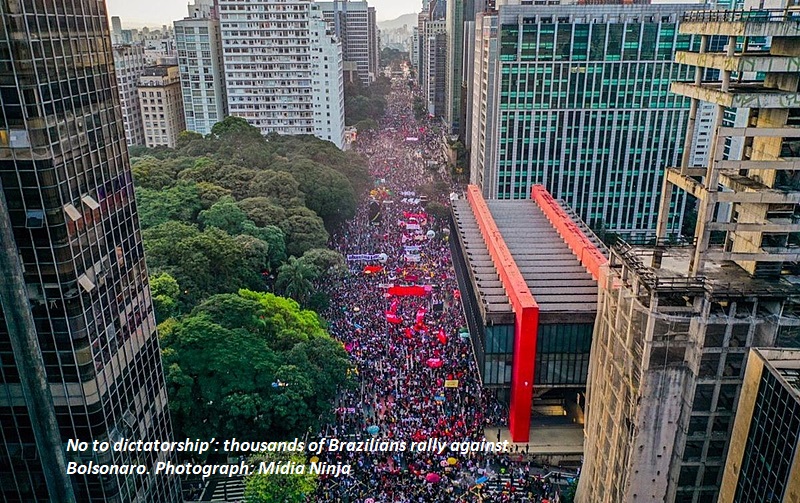
Tens of thousands of protesters have poured on to the streets of Brazil’s largest cities to demand the impeachment of President Jair Bolsonaro over his catastrophic response to a coronavirus pandemic that has claimed nearly half a million Brazilian lives.
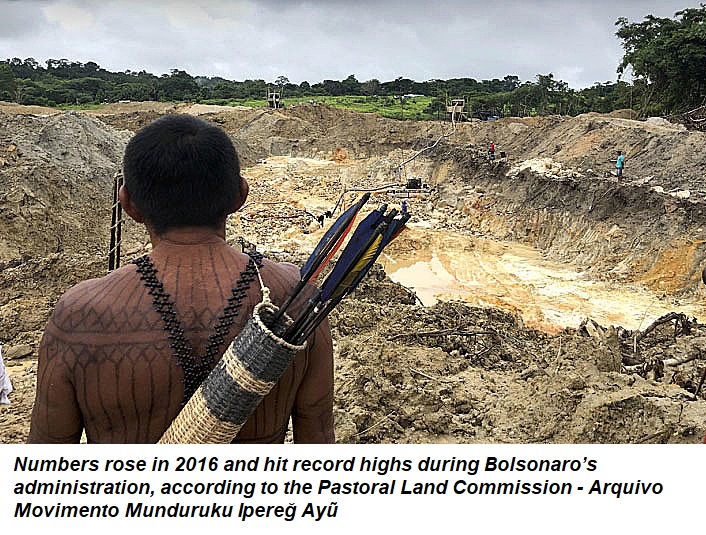
Numbers rose in 2016 and hit record highs during Bolsonaro’s administration, according to the Pastoral Land Commission

The Pastoral Land Commission (CPT) released on Monday, May 31st, a report titled “Rural conflicts in Brazil – 2020”. The document reveals a record number of territorial conflicts, land invasions and murders related to disputes over water, the highest figures ever recorded by the CPT since tracking began in 1985.
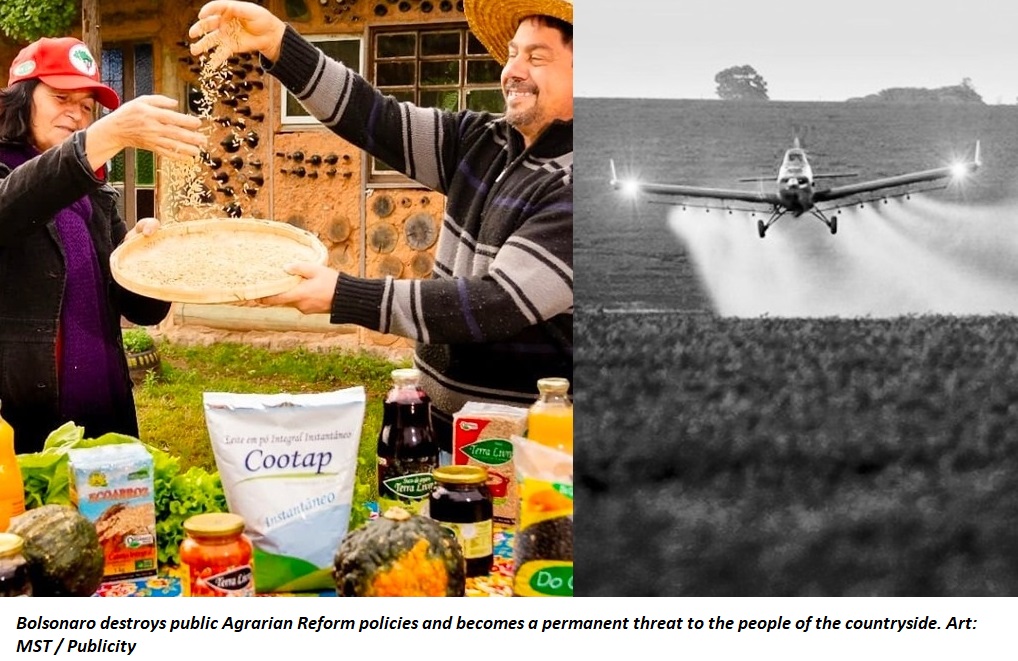
Destruction of policies to support Agrarian Reform and Family Farming by the Bolsonaro government deeply affected the settlements

2021 is beginning.

We at the MST want, first of all, to express our solidarity and our affection for the thousands of Brazilians who have lost loved ones and for all those who suffer from the effects of the pandemic and the neglect of governments at the behest of capital.
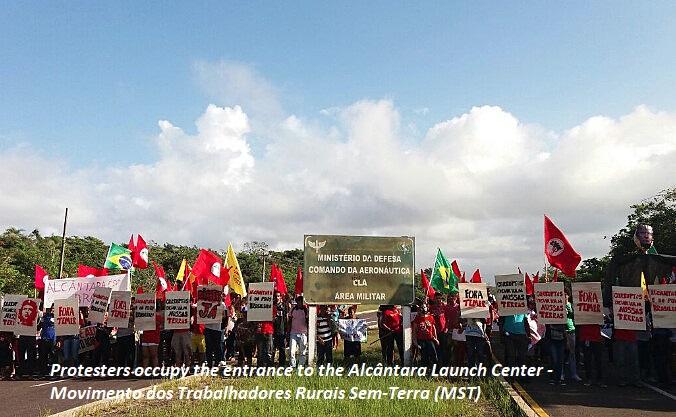
Expansion of the Alcântara Launch Center could mean the removal families and another affront to Brazilian sovereignty

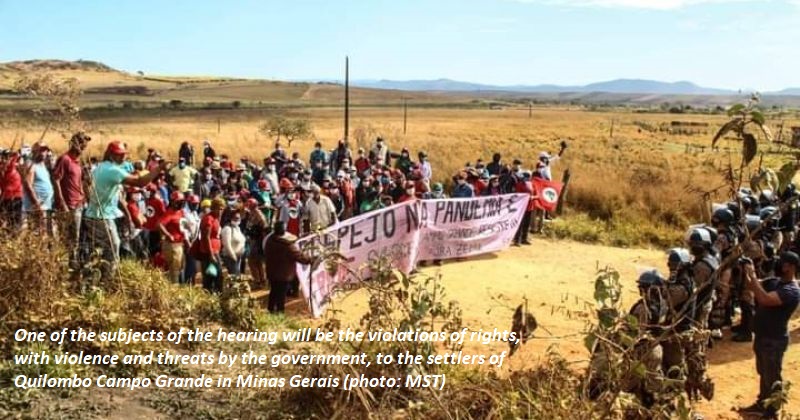
Scheduled for December 9, an international audience will have complaints from the MST on human rights violations in the Brazilian countryside

On December 9, the Inter-American Commission on Human Rights of the Organization of American States (IACHR/OAS) will host the Landless Rural Workers Movement (MST) to listen to the interlocutor of movements in the Brazilian countryside about the paralysis of Agrarian
Five years after the Fundão dam burst, the Movement presents agroecology as the seed for a new model of mining.
The Movement will authorize federal troops to enter in order to escort experts; evictions have been discarded

With the coup, Brazilian history recorded the event as a turning point and the beginning of an obscure, reactionary and proto-fascist period