
Caetano Veloso visits the settlement of the MST in the Recôncavo da Bahia
Received with enthusiasm in the land where he was born, Caetano knows the history of struggle and resistance of the settlement Paulo Cunha
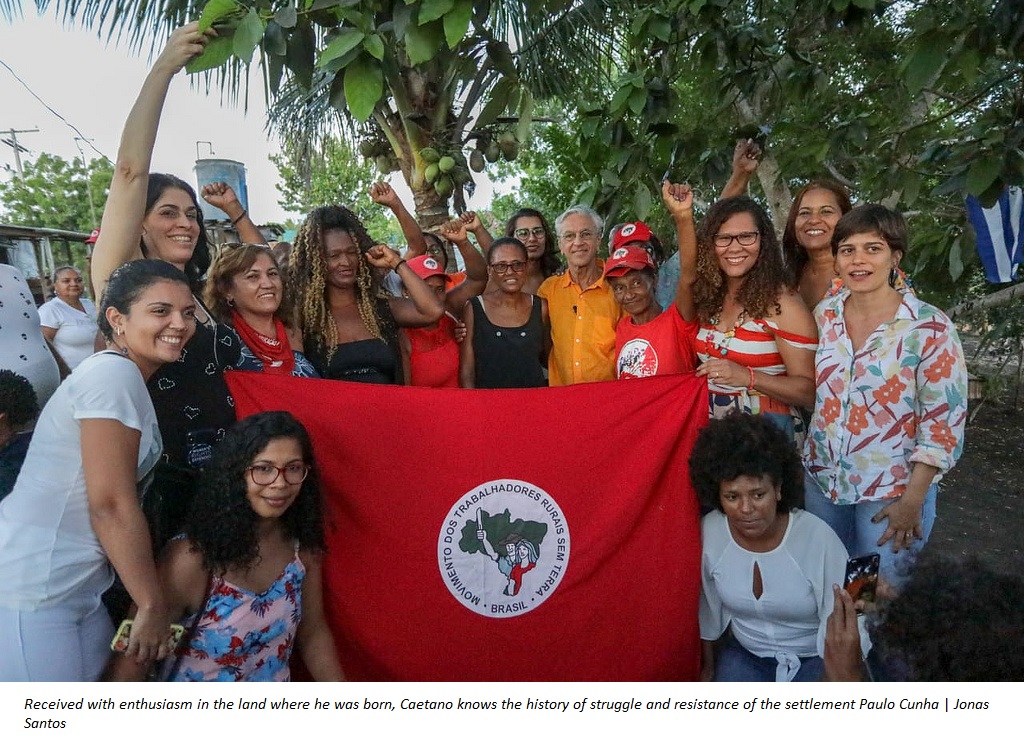
Received with enthusiasm in the land where he was born, Caetano knows the history of struggle and resistance of the settlement Paulo Cunha
Movements celebrated measure and will now fight for agroecological farming to replace current fruit production system
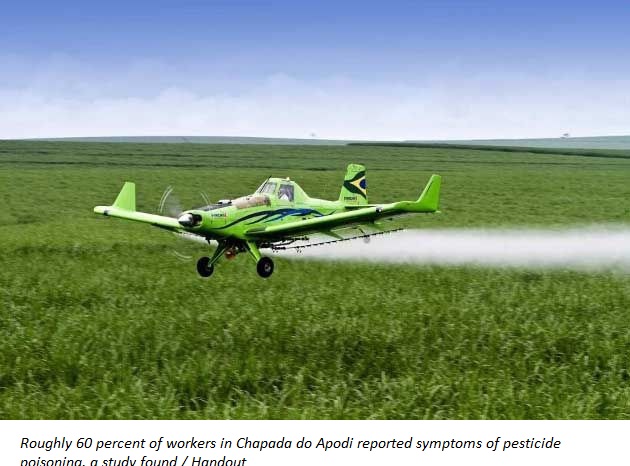
The governor of Ceará, Camilo Santana, signed a bill into law this week banning crop dusting in the northern Brazilian state. The measure was welcomed by people’s movements that have been exposing the problems of pesticide abuse in the area.
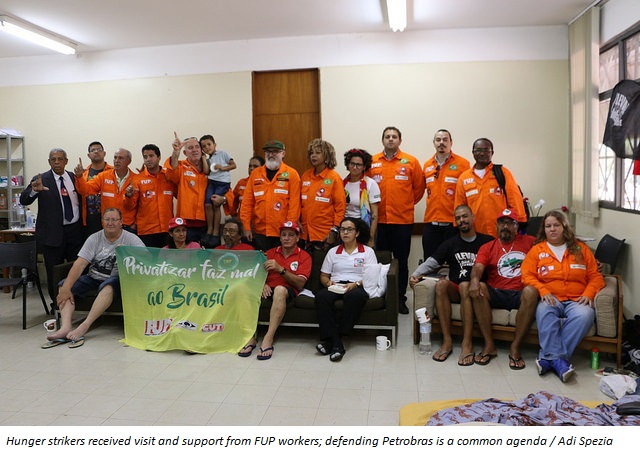
Activists point out expansion of finance capital and concerns about state-owned companies Petrobras and Eletrobras
Small town in Pernambuco is the starting point for the caravan tour this Friday

Popular culture represents resistance, confrontation with the hegemonic model of capital and struggle continues in defense of another cultural and political project for the country.
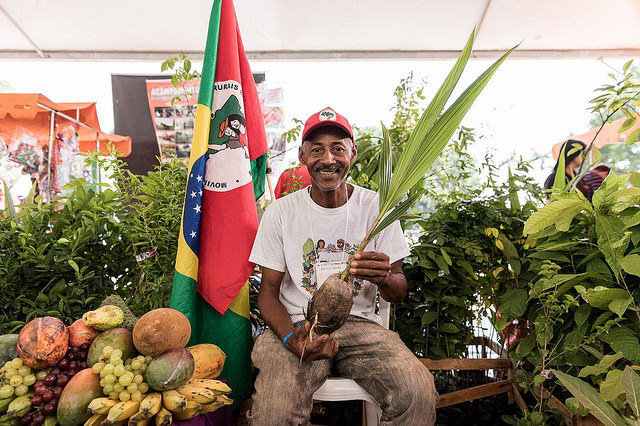
Designed by civil society organizations, bill challenges rural lobby and promotes agroecology systems
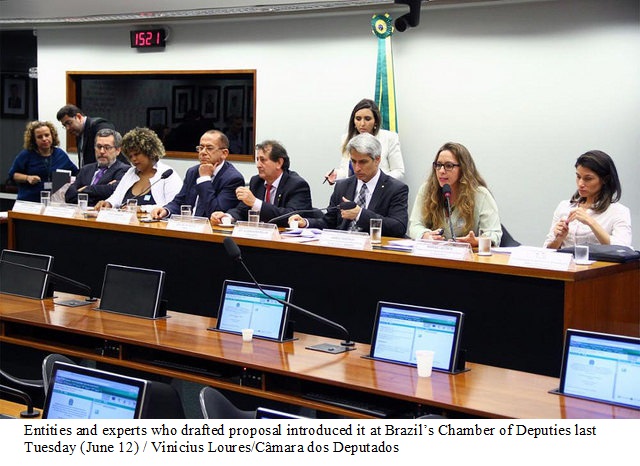
 By Celso de Alvear
Reflections of a Journey: on a US university campus, the Brazilian landless peasants movement inspire organic agriculture initiatives and efforts toward articulating methods of political formation and activism.
Special reports deal with the serious impacts generated by the use of agrochemicals in the production of food for the health of the consuming population, rural workers and the environment.
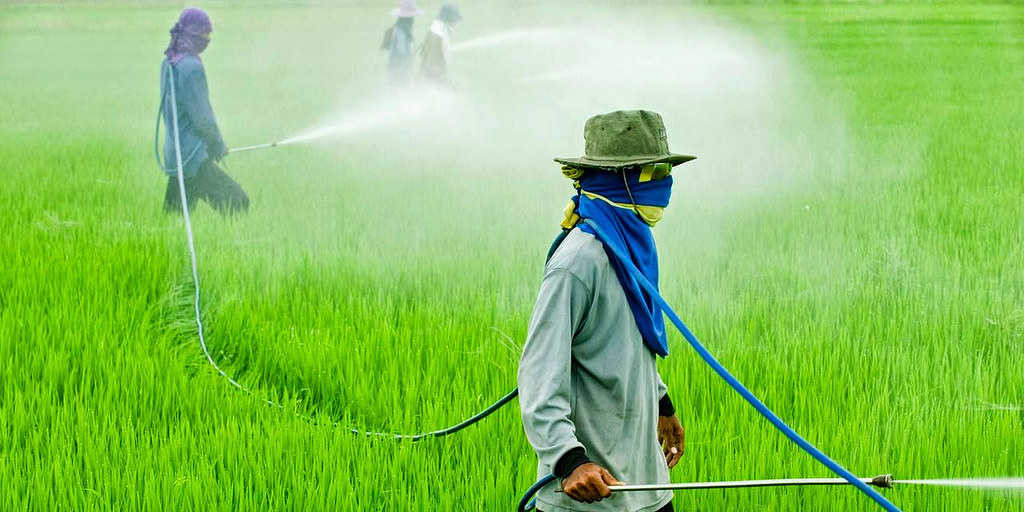
For each activity carried out by the MST, the subject of agrochemicals is approached with the objective of alerting society about the dangers of the agribusiness food production model for the health of the Brazilian people and the environment.
To the MST leader, foreign capital controls the country after the institutional coup that 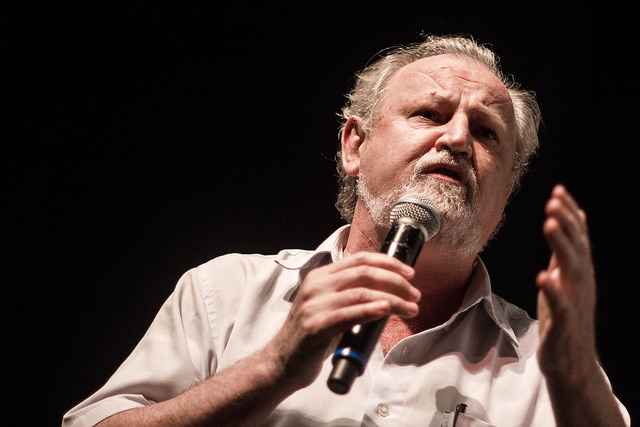 ousted Dilma.
 Shortly after the beginning of the 7th International Conference of La Vía Campesina in Basque Country, we interviewed Marina Dos Santos, who is a member of the organization that founded this international network of peasants: the Landless Workers’ Movement of Brazil.