The Friends of the MST has translated three recent interviews with MST leaders on the state of agrarian reform in the face of the intrangience of the Brazilian government and the onslaught of international capital and agri-business.
João Pedro Stédile, a founder and coordinator of the MST estimates that the current moment is an ebb of the popular movement.First, an interview with João Pedro Stédile with ABCD Maior. Read the full interview here.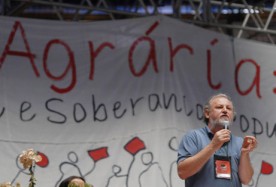
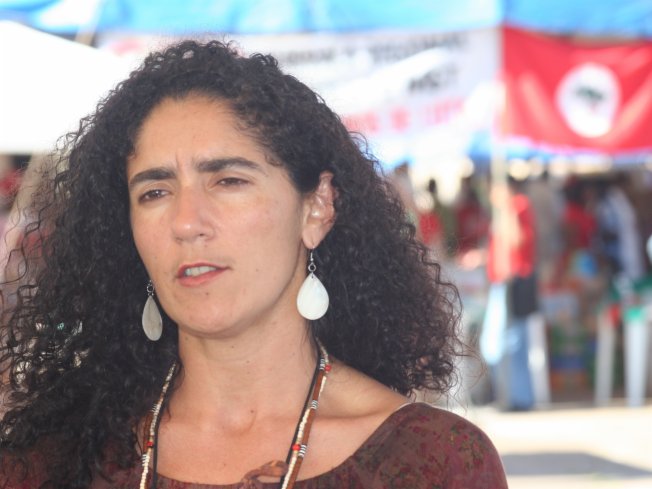 In an interview, Marina dos Santos, a member of the MST's National Coordination, discuss how Agrarian Reform came to a stop in 2012 and there were few investments by the government in production, in family farmers and in the settlements. Agrarian Reform is paralyzed because of the development model in question in Brazil today, agribusiness.¨ This is the
  analysis of Marina dos Santos, of the National Coordination of the MST. Read the interview here.
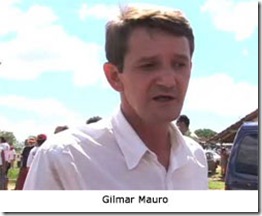
According to Gilmar Mauro, a member of the MST national leadership, “We are facing this very big offensive by the court in relation to the settlement areas. The Brazilian state, agribusiness, the state and federal governments are working together to prevent the advance of agrarian reform.” Read the interview here.

 by Eduardo Scolese, of Agência Folha
 São Paulo to evaluate the mobilizations scenario in Brazil and how to create a unity among themselves to act in these demonstrations.
 Seventeen years have passed since that fateful April 17. On that day in 1996, a march of rural workers organized by the MST was blockaded and attacked by military police in the city of Eldorado dos Carajás, Pará state. 19 people were killed on the spot and 2 others died days afterwards. The day of the Eldorado dos Carajás massacre has officially become the National Day of Struggle for Land Reform.
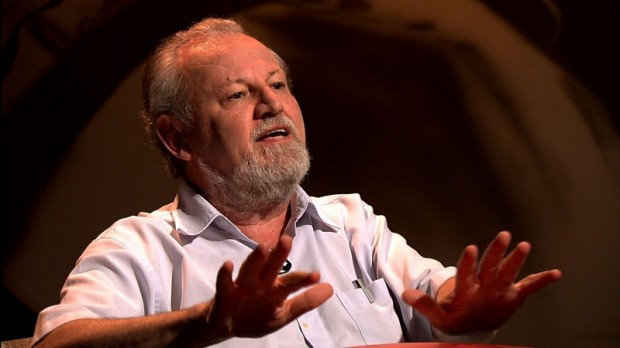 azilian society faces, in the rural milieu, distinct problems needing different solutions. We have serious problems and emergencies that require urgent action. There are about 150,000 families of landless laborers living under black tarps, camping, fighting for the rights that are in the Constitution to have land to work. For this problem, the government needs to do a real joint effort among the various agencies and settle the families in lands that exist in abundance throughout the country. Remember that Brazil uses for agriculture only 10% of its total area.
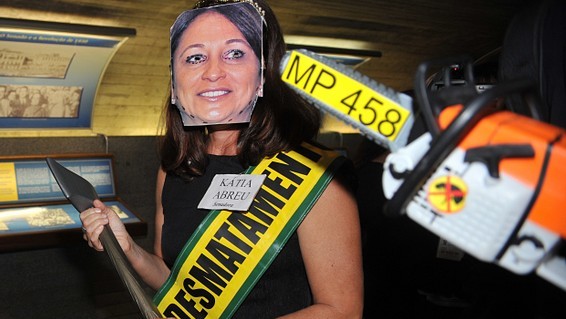 agriculture ministry of President Dilma Rousseff.
 Amazon.
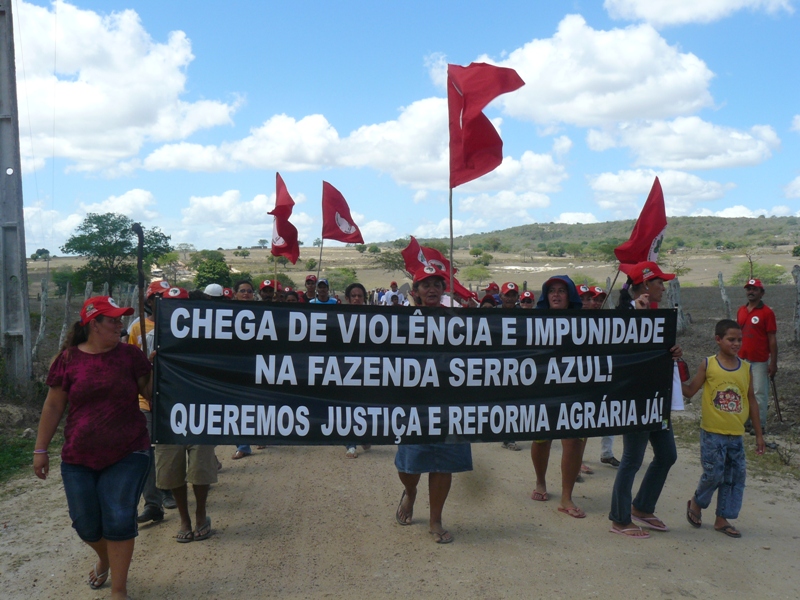 Representatives of the State Secretariat for Human Rights, the State Program for the Protection of Human Rights Defenders and the Ombudsman of the Department of Social Defense visited, on Tuesday (July 3, 2012), the Gregório Bezerra encampment in the city of Altinho, rural Pernambuco (PE).